
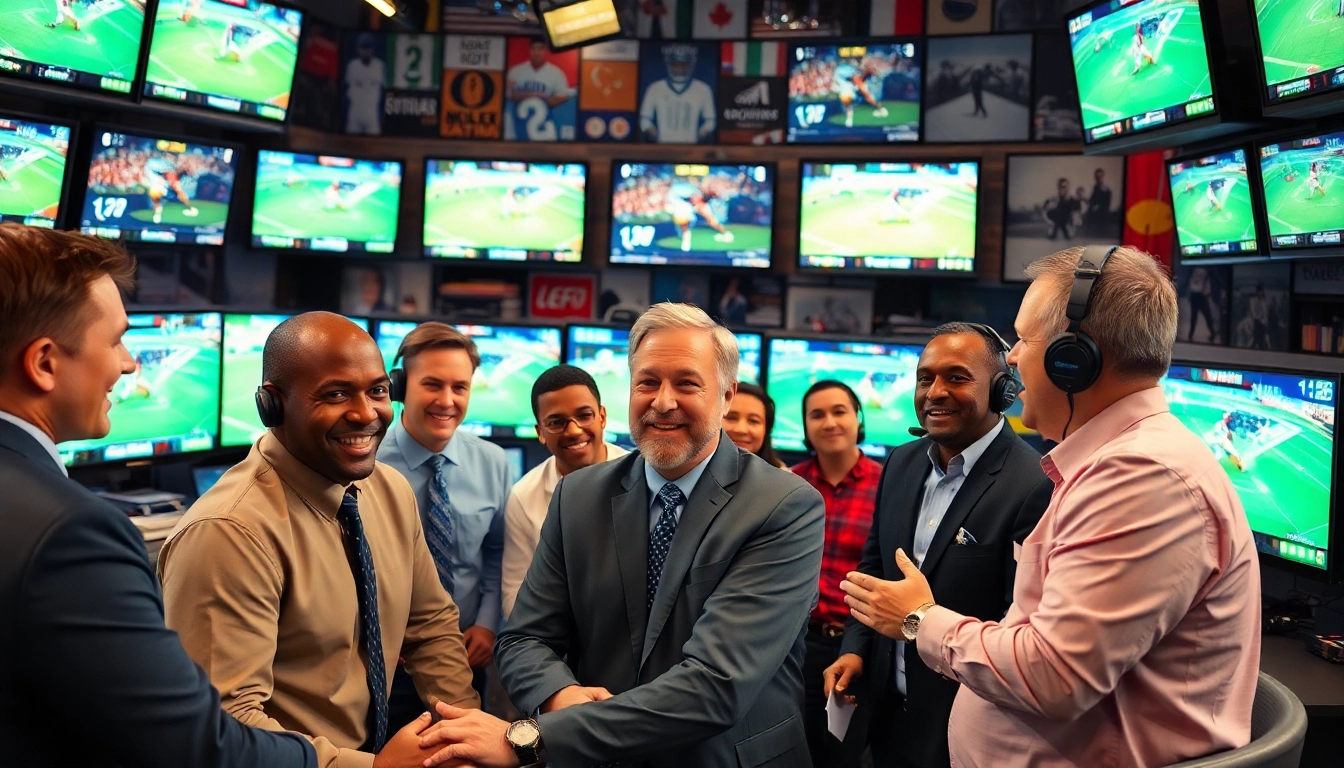
Understanding the Basics of Sports Broadcasting
What is Sports Broadcasting?
Sports Broadcasting refers to the live streaming or recording of sports events for television, radio, and internet audiences. It encompasses commentary, analysis, and insightful coverage of sports competitions, bringing the excitement and drama of the game directly to fans regardless of their location. This dynamic field combines storytelling with technology, which allows broadcasters to connect with viewers and enhance their experience, achieving a wide reach and engagement. Television sports broadcasting paved the way for radio shows and now, digital platforms are revolutionizing how fans access content. The spread of platforms offering live streaming has made Sports Broadcasting more interactive and accessible than ever before.
Key Roles in Sports Broadcasting
The world of sports broadcasting features a diverse range of professionals, each contributing a vital role. Understanding these roles can help enthusiasts appreciate and navigate this intricate field:
- Sports Commentators: They provide real-time analysis and play-by-play commentary, enhancing the viewing experience with their insightful perspectives.
- Producers: Responsible for managing broadcast logistics, ensuring seamless transitions between segments, and overseeing the overall production.
- Cameramen and Technical Staff: They handle the equipment, capturing the action and working behind the scenes to deliver high-quality footage.
- Writers and Researchers: Focused on crafting narratives and providing statistics, these individuals ensure that broadcasters are well-informed and contextually relevant.
- Directors: Oversee the broadcast production, managing the visual narrative and directing camera work to create a dynamic viewing experience.
Essential Equipment for Effective Broadcasting
The right equipment is crucial to the success of any sports broadcasting venture. Investing in the following essential tools can drastically improve broadcast quality:
- Cameras: High-definition cameras capture clear visuals, providing viewers with a vibrant experience. Multi-camera setups can offer various angles and depth during broadcasts.
- Microphones: Quality microphones are essential for clear audio. Lapel mics and shotgun mics help capture commentary and ambient sounds effectively.
- Broadcasting Software: Programs like OBS Studio or vMix allow users to stream live and pre-recorded content, adding graphics and overlays to enhance viewer engagement.
- Graphics Engines: Tools that create accurate scoreboards, player stats, and advertisements enhance the professional appearance of broadcasts.
- Streaming Servers: Reliable servers ensure that broadcasts remain stable and accessible during high-demand moments, providing a seamless viewing experience.
Building Skills in Sports Broadcasting
Communication Techniques for Broadcasters
Effective communication is at the heart of sports broadcasting. Here are several techniques that can enhance a broadcaster's performance:
- Clarity and Articulation: Clear speech and proper enunciation ensure that viewers understand every part of the broadcast.
- Vocal Variety: Using a range of vocal tones can add excitement and engagement to the narrative, mirroring the game's intensity.
- Active Listening: Broadcasters must pay close attention to co-hosts and guests, responding appropriately to create an engaging conversation flow.
- Emotional Connection: Connecting with the audience emotionally fosters loyalty and makes broadcasts more relatable.
Understanding Audience Engagement
Engaging with the audience is essential in retaining viewership and building a loyal fan base. Techniques for increasing engagement include:
- Interactivity: Utilizing social media platforms for real-time interaction during broadcasts can enhance viewer participation, with polls or Q&A sessions.
- Tailored Content: Understanding the audience's preferences helps in creating specialized content that resonates well with viewers, whether through deep dives into player backgrounds or coverage of emerging sports.
- Feedback Mechanisms: Actively seeking viewer feedback through surveys or social media comments can help broadcaster teams refine their content strategy.
- Personalizing the Experience: Using usernames or viewer comments in broadcasts can create a sense of community and personal investment in the content.
Storytelling Techniques in Sports Broadcasting
Storytelling is a powerful tool in sports broadcasting, providing context and depth to the action on the field. Here is how to execute compelling sports narratives:
- Character Development: Focusing on players' journeys, struggles, and triumphs turns ordinary games into compelling narratives that captivate the audience.
- Creating a Dramatic Arc: Build tension through the storytelling process, utilizing elements such as conflict, climax, and resolution to mirror the ups and downs of the sporting event.
- Utilizing Sound Bites: Integrating emotional sound bites from interviews adds authenticity to the narrative, drawing viewers deeper into the story.
- Contextualization: Providing historical context or statistical insights enriches the viewing experience, helping fans see the significance of the event.
Exploring Different Types of Sports Broadcasting
Live Sports Airing: Advantages and Challenges
Live sports airing presents unique opportunities and challenges. Here's a closer look:
- Immediate Audience Connection: Live broadcasts create a real-time experience, fostering a sense of urgency and connection.
- Increased Engagement: The excitement of live sports prompts increased viewership and social media interaction during the event.
- Technical Issues: Unpredictable technical problems can disrupt the broadcast and diminish viewer experience.
- Commentary Pressure: Commentators must be prompt and accurate, requiring extensive preparation and knowledge.
Podcasting in Sports Broadcasting
Podcasting has emerged as a popular avenue for sports broadcasting, providing a platform for in-depth discussions and analysis. Some characteristics include:
- Flexibility: Podcasts allow broadcasters to create content on their own schedule, making it easier to deliver timely discussions on current sports events.
- Deep Dives: These platforms enable detailed examinations behind the scenes, featuring interviews with athletes, coaches, and experts.
- Accessibility: Fans can listen to podcasts anytime, anywhere, making it easier to consume content on-the-go.
- Niche Audience Targeting: Broadcasters can create podcasts tailored to specific sports or topics, attracting dedicated followers.
Webcasting: The New Frontier
Webcasting has transformed sports broadcasting by leveraging online platforms to reach a broader audience. Key components include:
- Live Streaming: This rapidly growing format allows sports events to be broadcasted in real-time across various digital platforms.
- On-Demand Content: Viewers can access archived content at their convenience, expanding the reach beyond the live audience.
- Monetization Opportunities: Webcasting opens avenues for ad revenue and subscription models, enhancing profitability.
- Global Connectivity: Broadcasters can connect with international audiences, transcending geographic barriers, and expanding fan engagement.
Advanced Techniques in Sports Broadcasting
Utilizing Technology for Enhanced Coverage
Technology plays a crucial role in elevating sports broadcasting by improving coverage quality and viewer experience:
- High-Definition and 4K Streaming: Adopting advanced video technology enhances visual clarity, creating an immersive experience for viewers.
- Drones and 360-Degree Cameras: These tools offer unique viewing angles and perspectives, engaging audiences in unprecedented ways.
- Augmented Reality: Integration of AR can provide interactive graphics during broadcasts, bringing statistics and player information to life.
- Artificial Intelligence: AI applications can analyze vast amounts of game data, allowing broadcasters to provide instant insights and statistics.
Strategic Interviewing Techniques
Conducting interviews is an art form in sports broadcasting, requiring strategic approaches to elicit valuable insights:
- Preparation: Researching the interviewee's background and recent performances creates a foundation for insightful and relevant questions.
- Open-Ended Questions: These types of questions encourage interviewees to share deeper insights instead of bland, one-word answers.
- Building Rapport: Connecting on a personal level can lead to more open and honest conversations, producing memorable content.
- Interactivity: Incorporating questions from fans can create a two-way dialogue, increasing viewer engagement and interest.
Data Analytics in Sports Broadcasting
Data analytics has become integral to modern sports broadcasting, providing invaluable insights that shape broadcast strategies:
- Performance Metrics: Collecting and analyzing player performance data can enhance commentary, providing viewers with a clearer understanding of the game.
- Audience Analytics: Utilizing data on viewer demographics and behavior allows broadcasters to tailor content and improve engagement strategies.
- Social Media Integration: Data from social media interactions can help inform broadcasters about audience preferences, facilitating more engaging discussions.
- Real-Time Insights: Implementing live data feeds during broadcasts enhances the information available to commentators, enriching viewer experience.
Measuring Success in Sports Broadcasting
Analyzing Audience Metrics
Measuring success in sports broadcasting extends beyond ratings to encompass a range of audience metrics. Key aspects include:
- Viewership Numbers: Monitoring live and on-demand views provides insights into which broadcasts resonate most with audiences.
- Engagement Rates: Assessing social media activity, comments, and shares can gauge viewer interest and interaction with various content formats.
- Demographic Analysis: Understanding viewer demographics helps tailor content to specific audiences, enhancing relevance and connection.
- User Retention: Tracking how many viewers return for subsequent broadcasts is a good indicator of content quality and audience loyalty.
Key Performance Indicators for Broadcasters
Establishing effective key performance indicators (KPIs) is essential for measuring the success of a broadcasting strategy:
- Ratings and Shares: Traditional television ratings and shares still serve as primary metrics to assess viewership and content appeal.
- Subscriber Growth: For digital broadcasters, monitoring subscriber numbers can reflect the effectiveness of marketing strategies and content quality.
- Ad Revenue: Revenue generated from advertisements can provide an indication of overall success, supporting budget planning for future broadcasts.
- Audience Feedback: Surveys and feedback mechanisms are essential to assess viewer satisfaction and areas for improvement.
Feedback Mechanisms from Viewers
Gathering feedback from viewers is vital for continuous improvement. Key feedback mechanisms include:
- Surveys: Deploying audience surveys after broadcasts can reveal viewer preferences and satisfaction levels.
- Social Media Monitoring: Following social media channels allows broadcasters to gauge real-time reactions to broadcasts and overall sentiment.
- Focus Groups: Conducting focus groups with dedicated fans provides detailed qualitative insights into audience experiences.
- Engagement Analytics: Leveraging digital analytics can pinpoint which aspects of broadcasts resonated most with viewers and where improvements can be made.
Frequently Asked Questions
What is Sports Broadcasting?
Sports Broadcasting refers to the live streaming or recording of sports events for television, radio, and internet audiences, enabling fans to enjoy games from anywhere.
What skills are essential for Sports Broadcasting?
Key skills include strong communication, storytelling, knowledge of sports, technical proficiency, and the ability to engage with diverse audiences.
How does technology impact Sports Broadcasting?
Technology enhances Sports Broadcasting by improving production quality, enabling interactive features, and allowing for real-time data analysis and viewer engagement.
What are some common types of Sports Broadcasting?
Common types include live television broadcasts, streaming on online platforms, sports podcasts, and radio shows, catering to various audience preferences.
How can I measure success in Sports Broadcasting?
Measuring success involves analyzing audience metrics such as viewership numbers, engagement rates, audience feedback, and revenue from advertisements.