Understanding Auto Window Tint Basics
What is Auto Window Tint?
Auto window tinting involves applying a thin film to the interior side of a vehicle's windows to reduce light transmission and enhance privacy. This film is usually made from various materials such as polyester and comes in different shades and types, making it possible to choose an option tailored to specific needs. The primary purpose is to moderate the amount of sunlight entering the vehicle, which can contribute to a more comfortable environment while driving.
Benefits of Auto Window Tinting
There are numerous advantages to having auto window tint installed, including:
- UV Protection: Tinted windows can block up to 99% of harmful UV rays, helping to protect passengers and the vehicle's interior.
- Heat Rejection: High-quality window tint can significantly reduce the heat buildup in vehicles, leading to reduced reliance on air conditioning.
- Enhanced Privacy: Tinted windows offer increased privacy for passengers and belongings, discouraging potential theft.
- Glare Reduction: Tints effectively reduce glare from the sun, allowing for safer driving conditions.
- Aesthetic Appeal: Tinted windows can enhance the overall look of a vehicle, adding a sleek, stylish finish.
Legal Aspects of Window Tinting
It's essential to be aware of the legal regulations regarding window tinting, as these can vary by state or region. Each governing body sets specific limits on the darkness of window tints on various vehicle windows. Some states may also have restrictions on the type of tint that can be used, especially on front windows. Always check local regulations before proceeding with tint installation to avoid fines or having to remove the tint later.
Choosing the Right Type of Tint
Residential vs. Commercial Tint
While both residential and commercial tints serve similar purposes—like UV protection and glare reduction—they are designed with different functionalities in mind. Residential window tints typically focus on diminishing heat without creating a darkened environment, while commercial tints are often more robust, designed for high-traffic areas and larger windows. When selecting tint, consider where the vehicle will primarily be used and the type of protection needed.
Different Tint Shades Explained
Tints come in various shades ranging from light to dark. The shade you choose will impact visibility and privacy, as well as how much sunlight is filtered into the vehicle. For instance, darker shades provide more privacy but may also reduce visibility—especially at night. Conversely, lighter shades offer more clarity but less privacy. It's crucial to find the right balance depending on personal preference and functionality.
Film Types: Dyed, Metalized, Ceramic
The different types of tint films offer varied benefits:
- Dyed Film: This is the most basic type, offering color but limited heat rejection capabilities.
- Metalized Film: Contains metal particles that reflect heat and UV rays, enhancing durability and protection.
- Ceramic Film: One of the most advanced options available. It blocks heat and UV rays without affecting visibility, making it a top choice for high-performance needs.
How to Find Auto Window Tint Near Me
Researching Local Tinting Options
Finding suitable auto window tint options near you can be accomplished through several strategies. Start by searching online for auto window tint near me. Local directories, social media platforms, and mapping services can provide a comprehensive list of local tinting professionals. Pay attention to their presence, professionalism, and portfolio to gauge their capability.
Considering Customer Reviews and Testimonials
Customer reviews and testimonials offer invaluable insight into the experiences of others who have had tinting work done. Look for feedback about the quality of the installation, customer service, and overall satisfaction. Websites like Google Reviews, Yelp, and automotive forums can be great resources to find honest opinions from past clients.
Understanding Pricing and Cost Estimates
The cost of auto window tinting can vary significantly based on factors such as vehicle type, film choice, and location. Comprehensive pricing estimates should include both material and labor. Expect to pay anywhere from a few hundred to over a thousand dollars based on your specific requirements. Always request estimates from multiple installers to ensure you're getting a fair and competitive price.
Installation Process and Best Practices
Preparing Your Vehicle for Tint Installation
Preparation is essential for a successful tint installation. Start by thoroughly cleaning the windows, both inside and out. Dust and dirt can compromise adhesion and create imperfections. Consider removing any window hardware or accessories that might obstruct the installation, and ensure you have a clear understanding of what type of tint you want to apply.
Steps in the Tint Installation Process
The installation of window film generally follows these steps:
- Cutting the Film: The technician will measure and cut the tint film to fit the windows precisely.
- Applying the Film: The film is carefully placed on the window, starting with the largest panes.
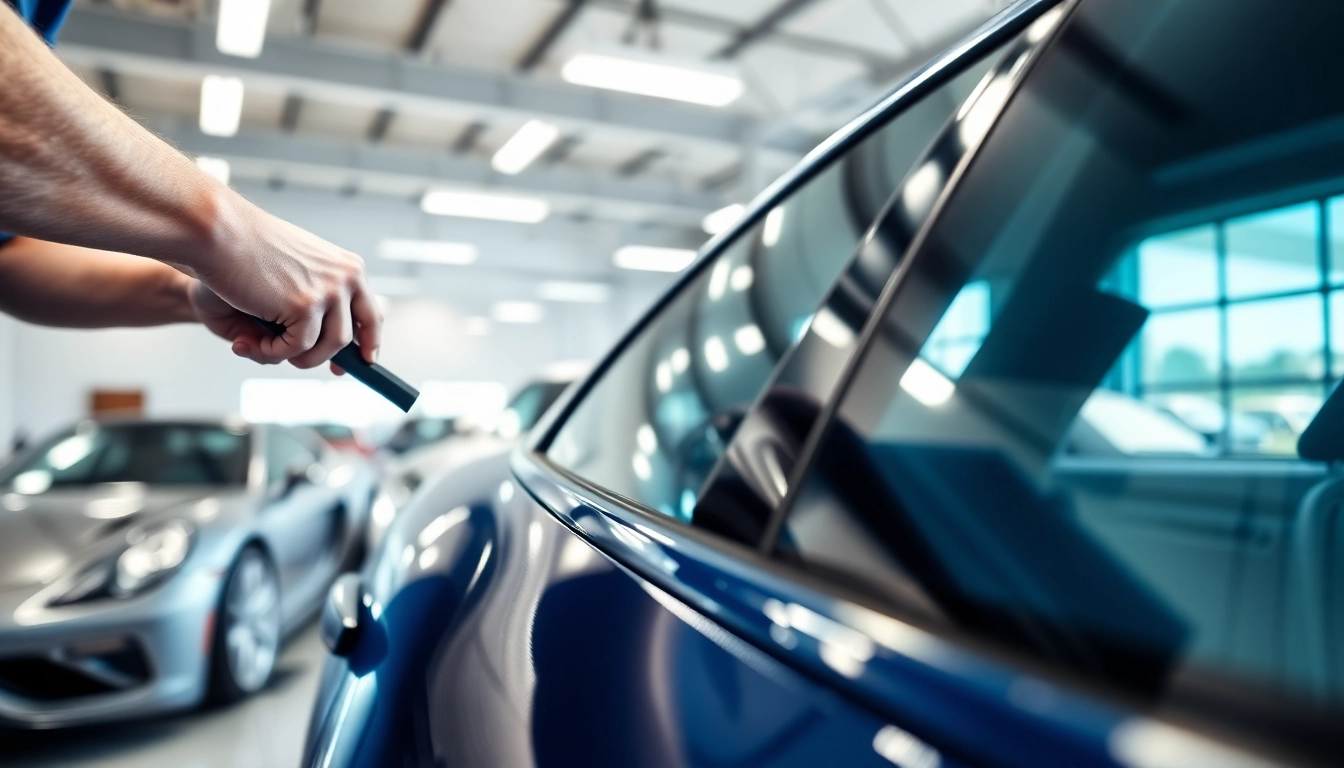
- Smoothing Out Air Bubbles: Using a squeegee, the technician will smooth out any air bubbles to ensure a proper bond between the film and window.
- Final Adjustments: After installation, any excess film is trimmed away, and the edges are sealed to prevent peeling.
Post-Installation Care Tips
Caring for newly tinted windows is crucial for longevity. Here are some essential tips:
- Avoid rolling down your windows for at least 48 hours to allow the adhesive to set properly.
- Use gentle, ammonia-free cleaners for cleaning tinted windows to avoid damage.
- Regularly inspect the tint for peeling or bubble formations, which can indicate a need for repair or replacement.
FAQs about Auto Window Tinting
What should I expect from the tinting process?
You can expect a thorough cleaning of the windows, professional installation of the tint, and a finalized look with no air bubbles or imperfections.
How do I maintain my tinted windows?
Maintain tinted windows with gentle, ammonia-free cleaners and avoid rolling them down for 48 hours post-installation.
Can I tint my windows myself?
While DIY kits are available, professional installation is recommended for a flawless look and optimal performance.
How long does the tinting process take?
The installation typically takes between 1 to 4 hours, depending on the vehicle and number of windows being tinted.
What are common misconceptions about window tint?
Many believe darker tints block more UV rays; however, modern films can offer excellent protection even with lighter shades.