
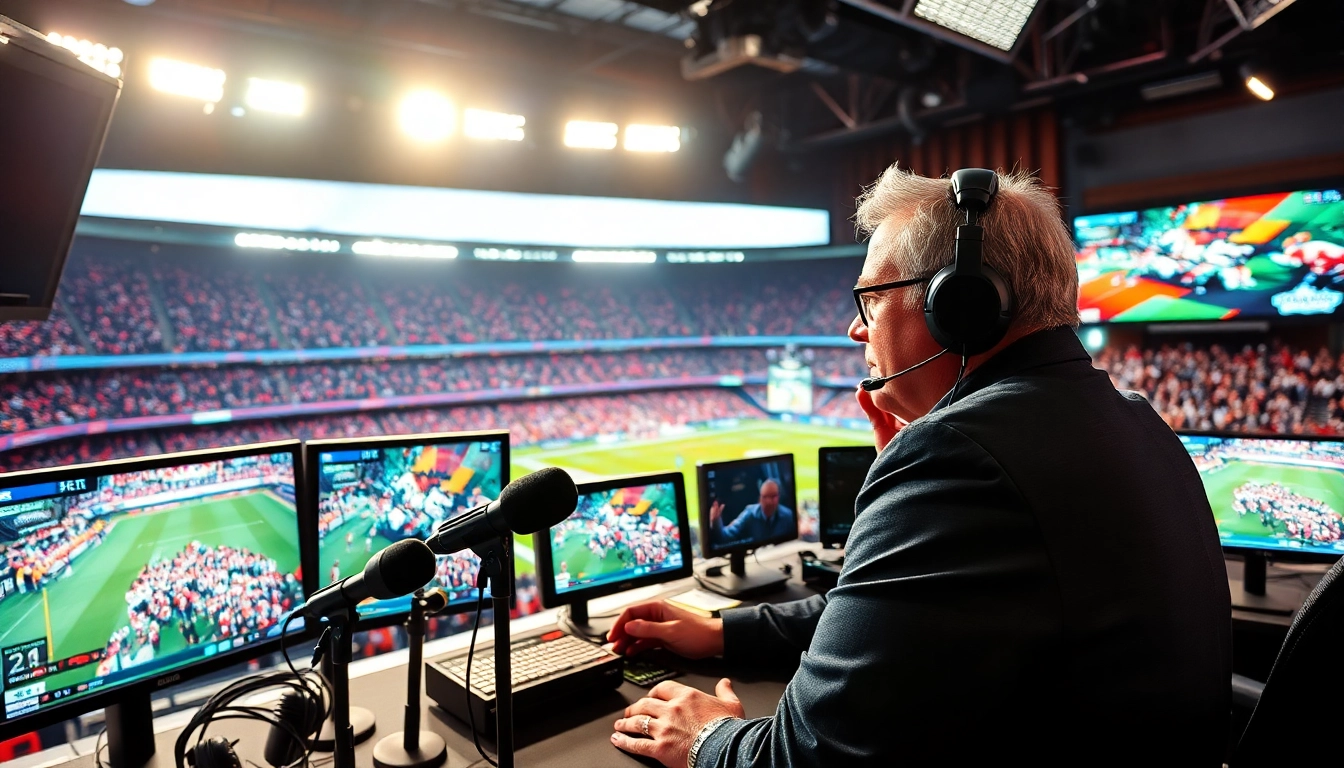
Introduction to Sports Broadcasting
Understanding the Concept of Sports Broadcasting
Sports broadcasting has transformed dramatically over the decades, evolving into a complex industry that intersects media, technology, and entertainment. At its core, sports broadcasting refers to the live transmission of sporting events to audiences through television, radio, and increasingly through digital platforms. These broadcasts serve a dual purpose: to provide real-time coverage of events and to engage viewers, enhancing their overall experience through commentary, analysis, and various interactive elements.
Importance of Sports Broadcasting in Media
Sports broadcasting is a pivotal component of the media landscape as it caters to a vast audience base that spans demographics and geographies. It not only adds value to the sporting experience but also generates substantial revenue through advertising, sponsorships, and subscriptions. The power of a well-executed sports broadcast can drive viewership numbers into the millions, solidifying its importance as a prime medium for storytelling and brand engagement. Furthermore, with the rise of mobile technology, audiences can access sports content on-demand, reflecting the shifting preferences in how consumers consume media. The significance of Sports Broadcasting extends beyond fans; it also affects athletes, teams, and sponsors, driving market dynamics and influencing sports culture.
Key Trends in Sports Broadcasting Today
The landscape of sports broadcasting is continually evolving, driven by technological advancements and shifting viewer preferences. Key trends shaping the future of sports broadcasting include:
- OTT Streaming Services: Over-the-top (OTT) platforms offer live and on-demand sports content, often bypassing traditional cable networks.
- Social Media Integration: Broadcasters are increasingly leveraging social media to enhance viewer engagement through real-time updates and highlights.
- Data Analytics: The integration of analytics enhances game insights and viewer engagement, providing deeper context during broadcasts.
- Virtual and Augmented Reality: These technologies are enhancing the fan experience, offering immersive viewing options.
Challenges in Sports Broadcasting
Technical Difficulties and Solutions
Sports broadcasting faces a plethora of technical challenges, including bandwidth limitations, signal interruptions, and equipment failures. These issues can disrupt transmission, leading to viewer dissatisfaction. To combat these challenges, broadcasters must invest in robust technology infrastructures, including high-capacity servers and redundant systems. Additionally, regular maintenance and updates of equipment, as well as comprehensive training for staff, can help mitigate these risks. Advanced routing software and cloud solutions are also emerging as vital assets in ensuring reliable feeds.
Meeting Audience Expectations
With ever-increasing competition for viewers' attention, meeting audience expectations has become a critical challenge for sports broadcasters. Today's viewers demand high-quality visuals, expert commentary, and interactive features. Broadcasters need to continuously innovate to keep audiences engaged. Implementing viewer feedback mechanisms and conducting regular audience surveys can help broadcasters understand consumer preferences better. Moreover, creating an engaging narrative around the sporting event can significantly enhance viewer experience, drawing them into the story behind the game.
Navigating Regulatory Challenges
Broadcast regulations vary significantly across regions, presenting another hurdle for sports broadcasters. Licensing issues, broadcast rights, and compliance with broadcasting standards can complicate operations. Broadcasters must stay updated on legal frameworks impacting their agreements and distribution methods. Engaging with legal experts and lobbying for favorable regulations can help navigate these challenges effectively. Furthermore, building strong relationships with governing bodies can ensure smoother operations.
Best Practices for Sports Broadcasting
Engaging with Your Audience Effectively
Engagement is a cornerstone of successful sports broadcasting. Broadcasters can leverage interactive elements such as live polls, social media integrations, and real-time discussions to keep audiences connected. Personalization plays a significant role; understanding viewer preferences allows broadcasters to tailor content accordingly. Creating opportunities for audience participation, such as fan contests or Q&A sessions with athletes, fosters a sense of community among viewers, enhancing loyalty and increasing viewership.
Leveraging Social Media for Broadcast Amplification
Social media platforms have revolutionized how sports content is consumed and shared. By effectively utilizing these platforms, broadcasters can amplify their reach and engage with audiences in real-time. Strategies may include sharing highlights during live broadcasts, leveraging trending hashtags, and responding to viewer comments. Collaboration with influencers can also expand reach and attract younger demographics who favor social media over traditional broadcasting methods. An integrated approach that aligns broadcast content with social media campaigns will yield the best results.
Creating Compelling Content
Beyond just broadcasting an event, creating compelling content around it is vital for viewer retention. This could include pre-game commentary, post-game analysis, behind-the-scenes footage, and interviews with players and coaches. Engaging storytelling that weaves emotional narratives and highlights personal stories can deepen viewer investment in the broadcast. Additionally, utilizing high production values and innovative graphics enhances the viewing experience, making it more enjoyable and memorable.
Technology’s Role in Sports Broadcasting
Innovative Tools for Enhanced Experience
Technological advancements are at the forefront of enhancing sports broadcasting experiences. Innovations such as 4K and HDR video quality, drones for aerial shots, and multi-camera setups provide audiences with comprehensive coverage. Virtual reality (VR) and augmented reality (AR) hold the potential to create immersive environments, allowing viewers to feel present at the event, even from home. Regularly evaluating and adopting new technologies will allow broadcasters to stay ahead of the curve in delivering enhanced experiences.
Utilizing Data Analytics in Sports Broadcasting
The application of data analytics in sports broadcasting is increasingly important in understanding viewer demographics and preferences. By analyzing viewing patterns and engagement metrics, broadcasters can refine content offerings and improve user experience. Utilizing insights from viewer data, such as peak viewing times and popular segments, can also inform scheduling and programming decisions. Textanalysis and predictive analytics can provide valuable insights for enhancing both viewer engagement and marketing strategies.
The Future of Streaming Services
As streaming services continue to disrupt traditional broadcasting models, the future of sports broadcasting appears to lie heavily in this domain. With an increasing number of consumers opting for on-demand content, sports leagues and networks are exploring partnerships with streaming platforms to deliver exclusive content. The concept of “sports as a service” is emerging, where subscription models will provide viewers with tailored experiences at their fingertips. Maintaining a flexible approach to distribution models is crucial for broadcasters to stay relevant in a competitive landscape.
Measuring Success in Sports Broadcasting
Key Performance Indicators for Sports Networks
Success in sports broadcasting is measured through various key performance indicators (KPIs), including viewership numbers, audience demographics, and engagement rates. Metrics such as average watch time, peak viewership, and total impressions provide a comprehensive picture of a broadcast's performance. Additionally, analyzing the ROI on advertising and sponsorship deals can guide future strategic decisions. Employing advanced analytics tools to track these KPIs ensures broadcasters can make data-driven assessments and optimize future broadcasts.
Customer Feedback and Engagement Metrics
Gathering customer feedback is vital for continuous improvement in sports broadcasting. Incorporating surveys, social media monitoring, and viewer feedback platforms helps network executives assess audience satisfaction and engagement. Metrics such as viewer comments, shares, and likes on social media reveal the overall reception of broadcasts. Timely responses to viewer feedback and proactive adjustments to content strategies can significantly increase overall satisfaction and loyalty.
Adapting to Changes in Viewing Habits
With an ongoing shift in viewing habits influenced by technology and lifestyle changes, broadcasters must be agile in adapting their strategies. Movements towards mobile-first viewing habits necessitate designing content that is easily accessible on smartphones and tablets. Recognizing the importance of personalization and interactive content can also help broadcasters align with audience preferences and expectations. Staying attuned to industry trends and consumer behavior is essential for broadcasters looking to thrive in the rapidly evolving media landscape.
FAQs
What is sports broadcasting?
Sports broadcasting refers to the live transmission of sports events through various media, including television, radio, and online platforms, providing real-time coverage and commentary for audiences.
How has technology influenced sports broadcasting?
Technology has revolutionized sports broadcasting by enabling high-definition streaming, interactive features, and data analytics, enhancing viewer engagement and overall experience.
What are the biggest challenges in sports broadcasting?
Key challenges include technical difficulties, meeting audience expectations, and navigating regulatory issues, all of which demand adaptive strategies from broadcasters.
How can social media be used in sports broadcasting?
Social media can amplify broadcast content, enhance viewer engagement through real-time updates, and encourage interaction between broadcasters and audiences, fostering a sense of community.
What are the key performance indicators for measuring broadcast success?
KPIs include viewership numbers, audience demographics, engagement rates, average view times, and ROI on advertising, which provide insights into the broadcast's performance and effectiveness.